

Traveling Beekeeper Program
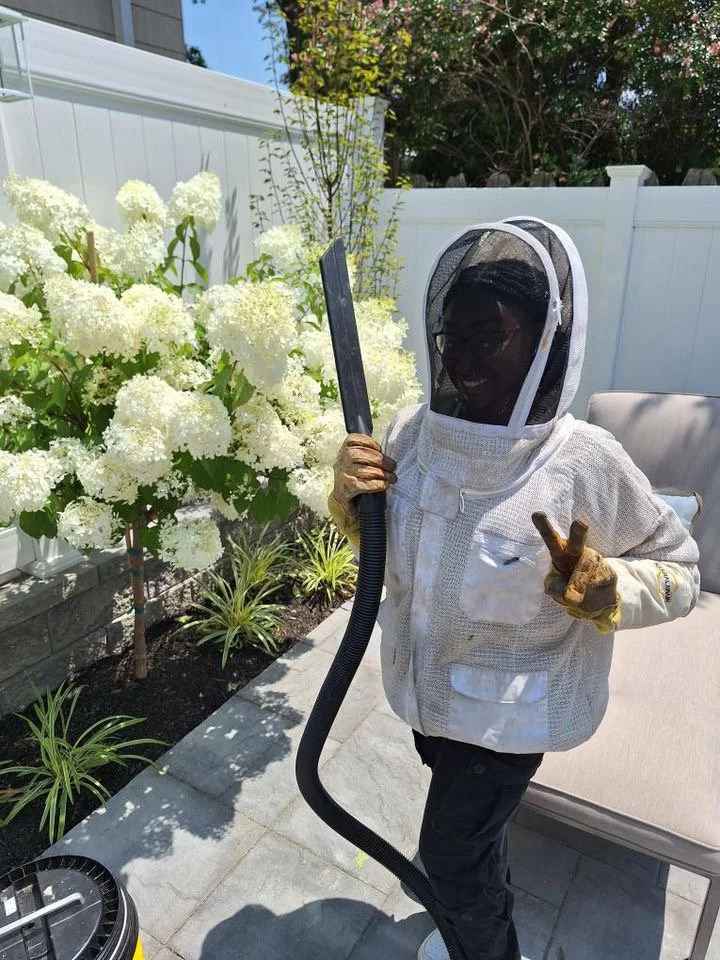
Our Educational Approach
The Traveling Beekeeper Program goes beyond traditional environmental education by integrating:
Environmental Literacy: Understanding biodiversity, pollination, climate change, and sustainable food systems.
Experiential Learning: Building practical skills through direct interaction with beehives and environmental professionals.
Global Citizenship: Developing cultural awareness and understanding how environmental challenges affect communities differently.
Leadership Development: Strengthening collaboration, communication, problem-solving, and personal confidence.
Career Exploration: Introducing students to opportunities in environmental science, agriculture, conservation, entrepreneurship, and other green industries.
Through pre- and post-program assessments, Bee U NYC evaluates changes in students' environmental knowledge, technical skills, leadership development, and understanding of global environmental issues.
Expanding Access to Global Learning
International educational experiences can be transformative, yet many young people face financial and structural barriers to accessing them.
The Traveling Beekeeper Program seeks to address these inequities by creating accessible opportunities for students from historically underserved communities to engage in international experiential learning.
By connecting environmental education with global exploration, Bee U NYC aims to inspire the next generation of environmental leaders who understand both the local and global dimensions of sustainability.
Our Pilot Partnership
Bee U NYC is developing the Traveling Beekeeper Program in partnership with Middle College High School at LaGuardia Community College in Queens, New York.
Through this partnership, participating students will engage in classroom-based environmental education in Long Island City, practical beekeeping experiences at local apiaries, and an international learning experience in the Dominican Republic.
This pilot will serve as a foundation for expanding the Traveling Beekeeper Program to additional schools, communities, and international destinations in the years ahead.
For more information on the Traveling Beekeeper Program reach out to our Director of Youth Programs, Dens Ramos (denis@beeunyc.org)
Connecting Youth to Global Environmental Education Through Beekeeping
Bee U NYC's Traveling Beekeeper Program is an experiential environmental education initiative that connects young people to beekeeping, sustainable agriculture, and environmental stewardship through hands-on learning in New York City and abroad.
Building on our commitment to making environmental education accessible to underserved youth, the program combines classroom instruction, practical beekeeping experiences, international travel, and cross-cultural exchange to help students explore the relationship between pollinators, local ecosystems, and global food systems.
Through this initiative, students gain technical skills, develop leadership abilities, and broaden their understanding of environmental challenges and solutions across different communities.
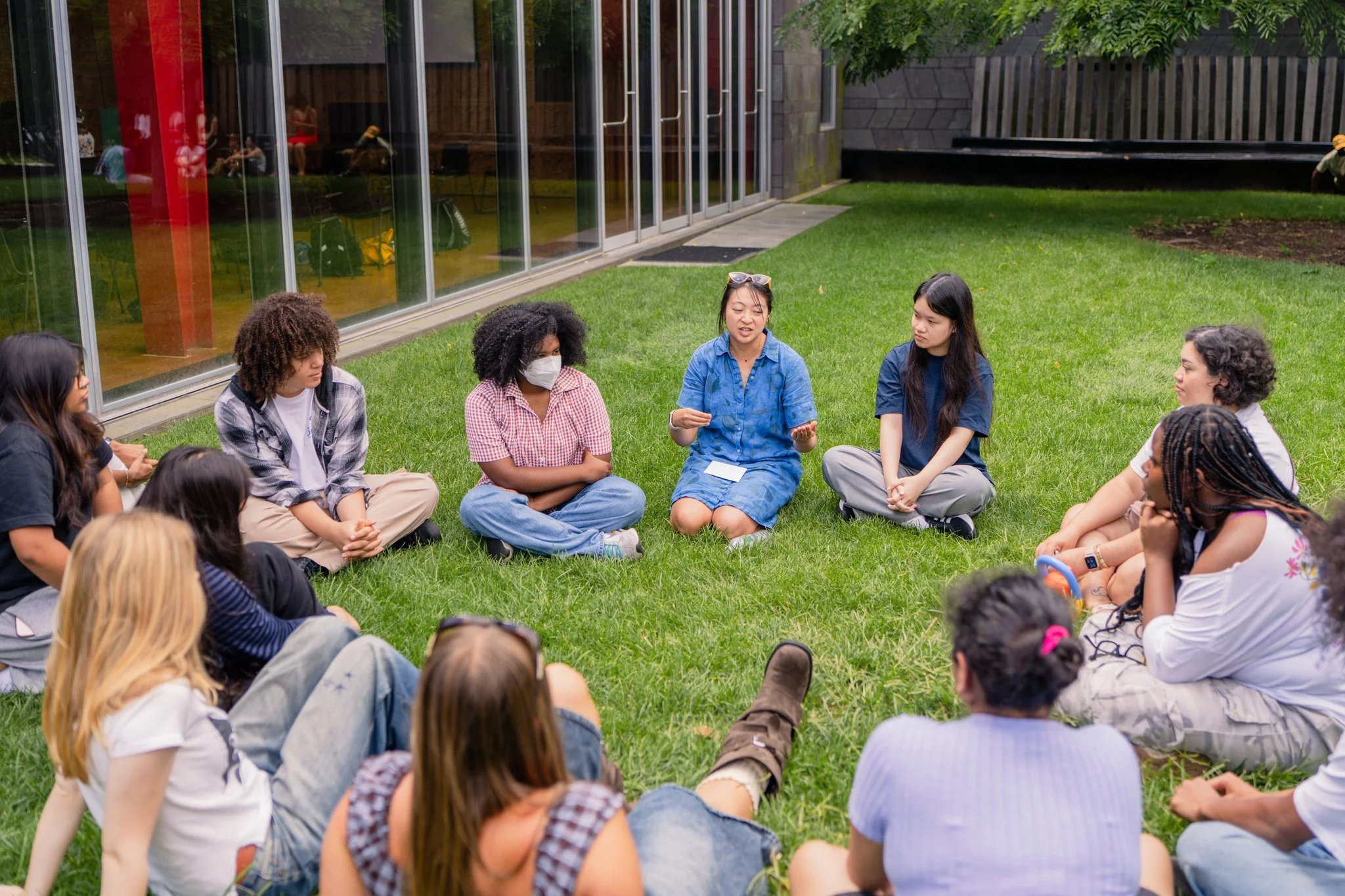
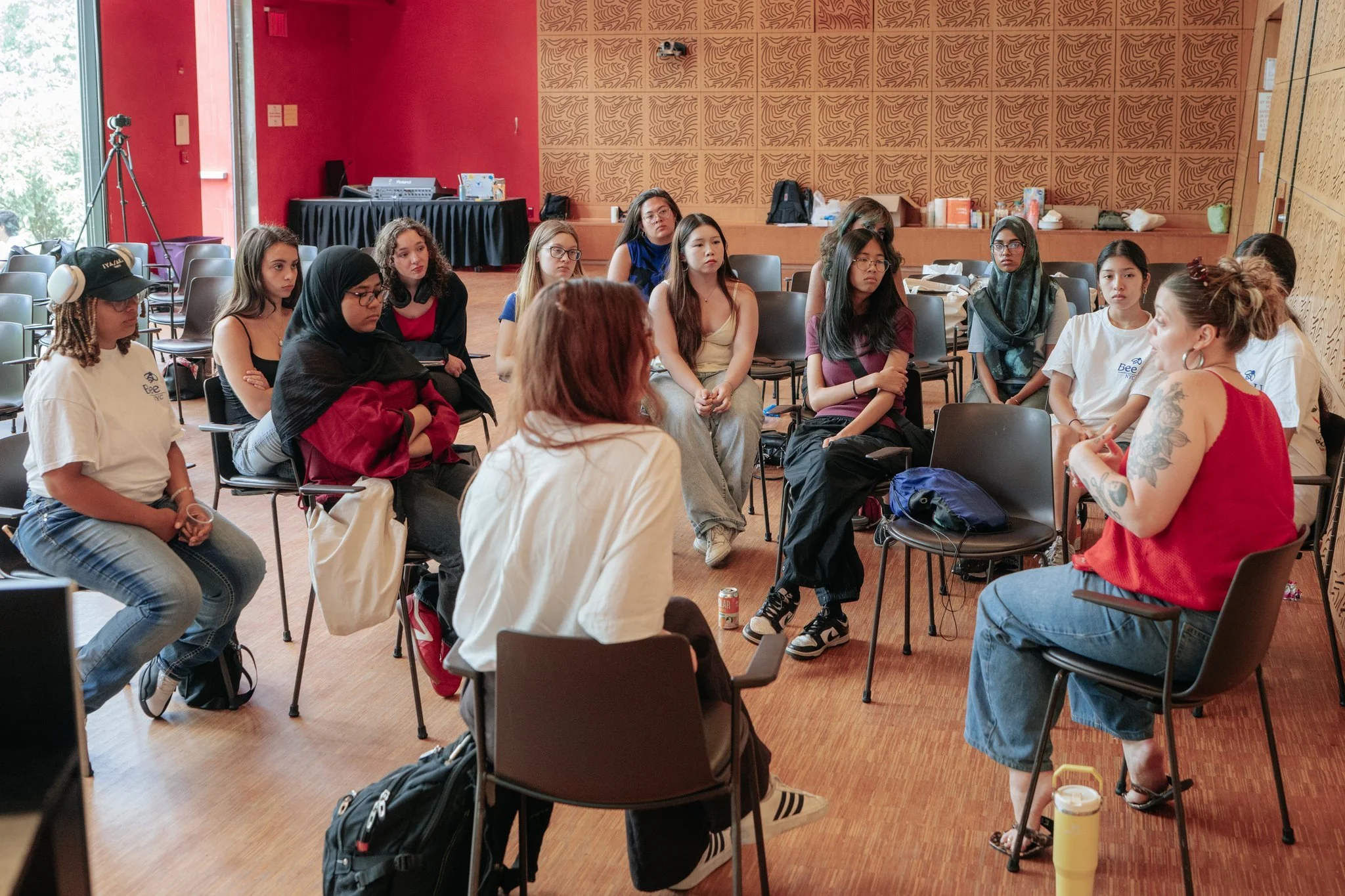
How the Program Works
The Traveling Beekeeper Program follows a three-phase learning model designed to prepare students for meaningful international experiences and reinforce their learning after returning home.
Phase 1: Pre-Travel Education
Students begin their journey in New York City through interactive workshops covering honey bee biology, pollination, biodiversity, environmental justice, and sustainable agriculture. Participants also engage in hands-on beekeeping activities, developing foundational skills in hive management, bee safety, and environmental observation.
Phase 2: International Beekeeping Experience
Students travel internationally to engage with local beekeepers, farmers, and environmental practitioners. Through hands-on workshops, cultural exchange, and community-based learning, participants explore how beekeeping practices vary across countries and how local communities use sustainable agriculture to support their livelihoods.
Our planned pilot includes an immersive learning experience in the Dominican Republic, where students will explore local beekeeping practices, honey production, and the relationship between environmental sustainability and economic opportunity.
Phase 3: Post-Travel Learning & Community Engagement
Upon returning to New York City, students participate in reflection workshops, continued beekeeping activities, and collaborative projects that allow them to apply their learning locally.
Participants are encouraged to share their experiences with peers and school communities, strengthening their communication, leadership, and environmental advocacy skills.